















Strong Motion Networks
Introduction
- What are strong motion networks?
- What is the purpose of strong motion networks?
- How are data from strong motion networks used?
Methodology & Technology
- How is a strong motion network created?
Our Solutions
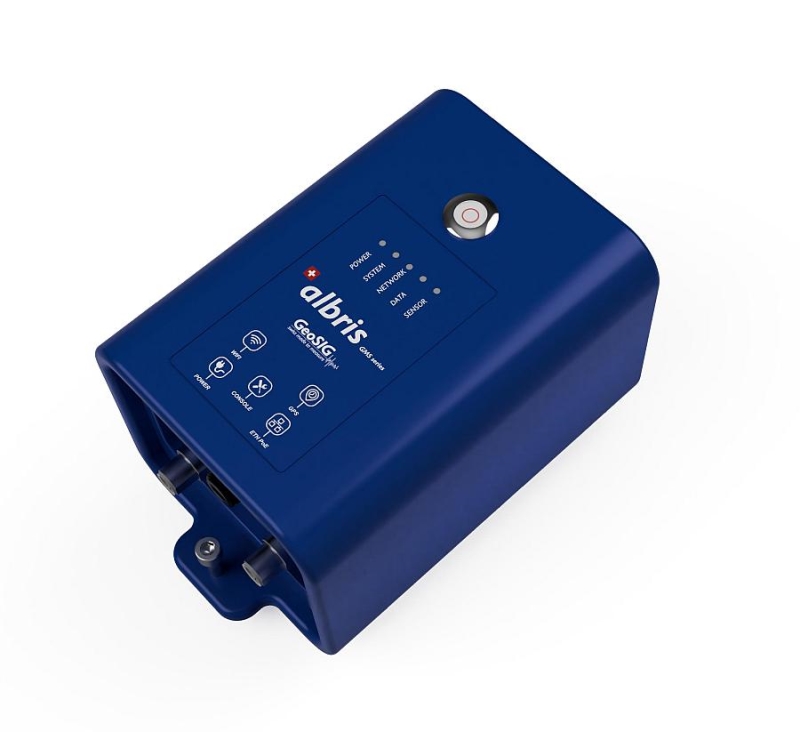
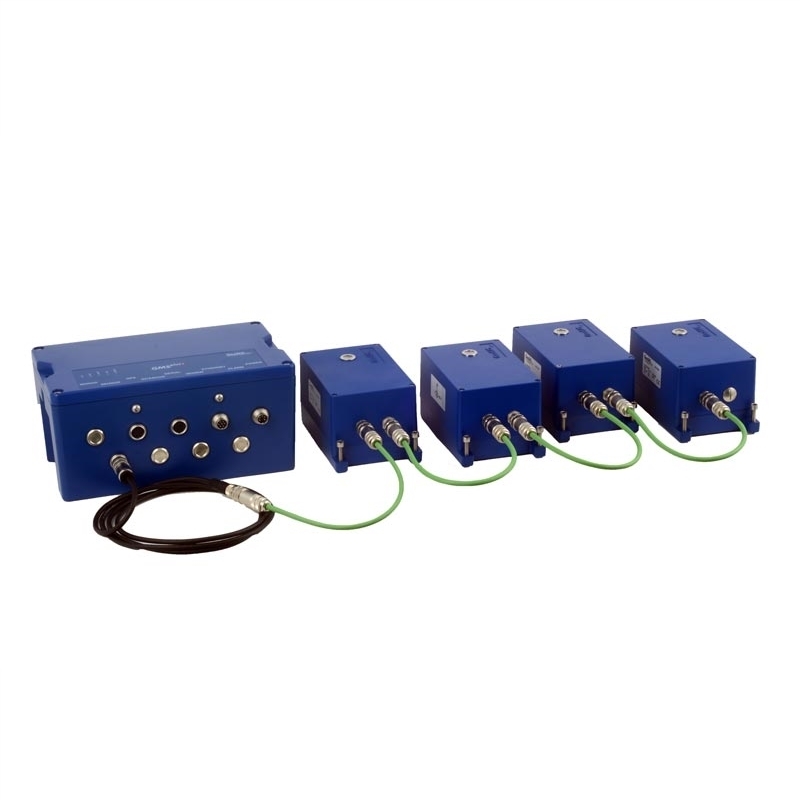
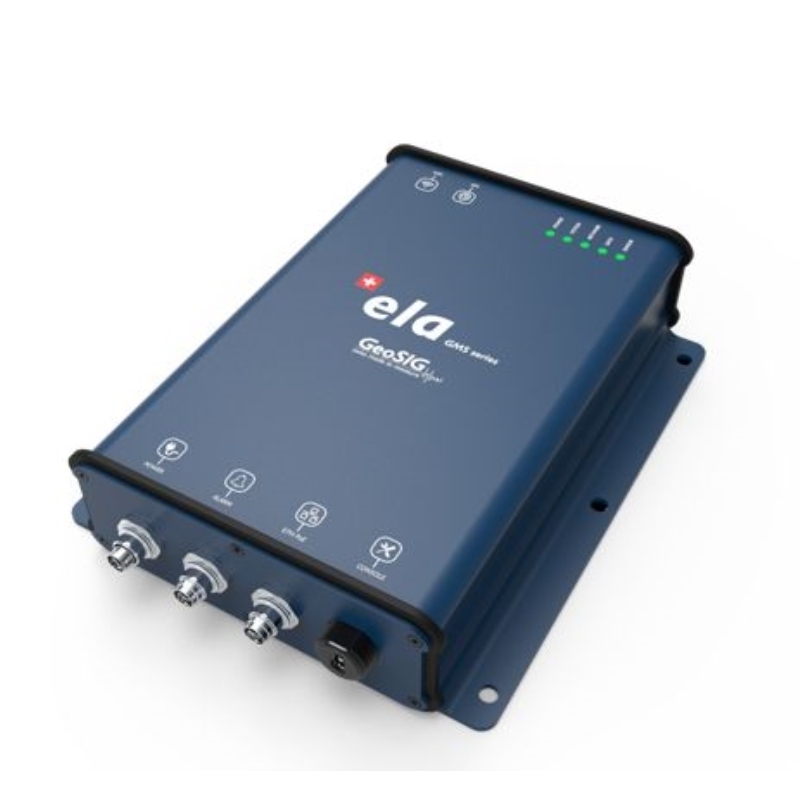
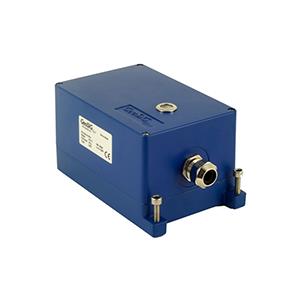
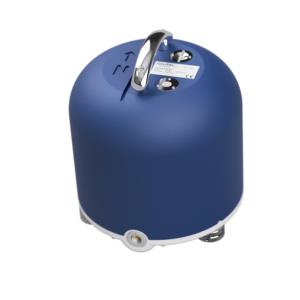
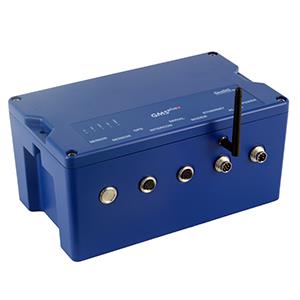
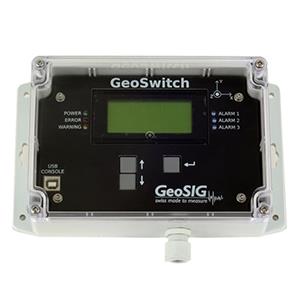
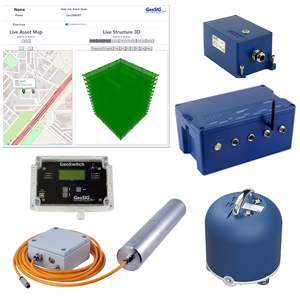
- GMS series recorders for distributed and hybrid systems
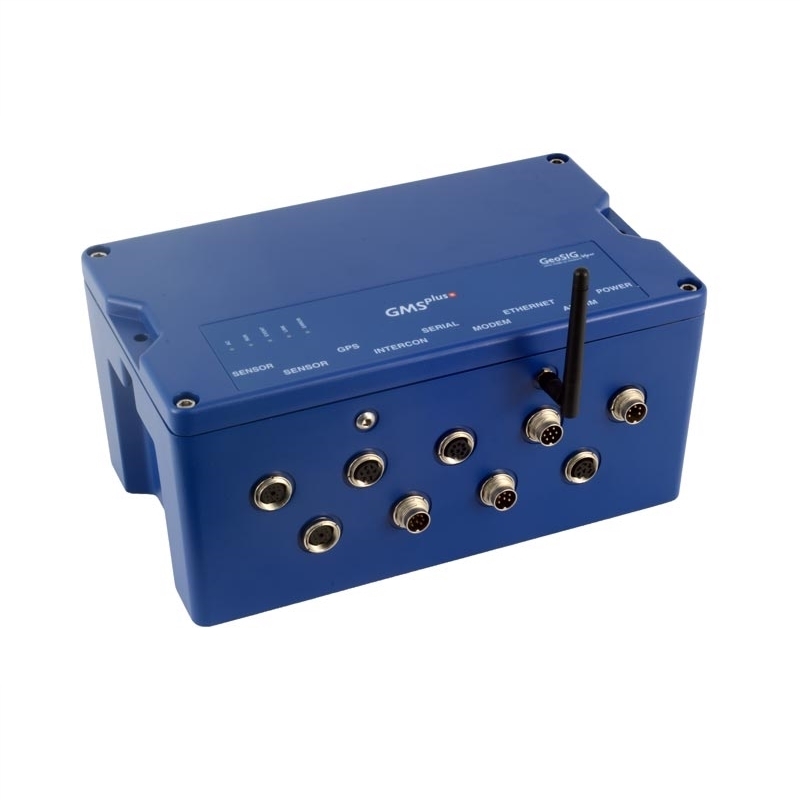
- CR series modular multichannel recording systems for central and hybrid systems
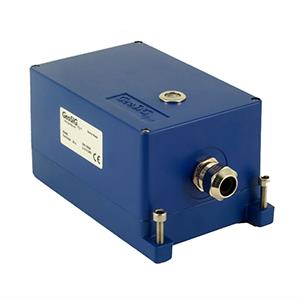
- A wide variety of high quality sensors to measure acceleration and velocity
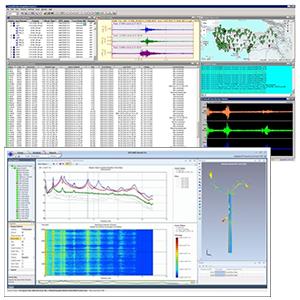
- Software solutions with highly customisable options


Strong motion networks are an essential tool for earthquake earthquake research, engineering, and disaster mitigation efforts. How can we better understand earthquakes, how their energy is released, how they will impact the surrounding area, how likely the next earthquake will be coming and when, roughly?
Unlike traditional seismic networks that primarily measure weak seismic activities, such as those associated with distant earthquakes or unfelt local microseisms, the main purpose of strong motion networks is to focus on capturing the intense shaking experienced close to the earthquake source.
The data collected by strong motion networks provide valuable information about the severity and characteristics of ground shaking, which is crucial for assessing earthquake hazards, designing engineering structures to withstand earthquakes, and improving earthquake warning / shutdown systems.
Methodology & Technology
-
How is a strong motion network created?
The data then can be analysed for example to determine seismic-wave propagation effects due to complex geological structures in the propagation path from source to site, including wave attenuation and scattering. This for example helps to develop methodologies (such as GMPEs) of forecasting strong ground motions from seismic sources related to active faults and subduction zones with high probability of earthquake occurrence in order to mitigate earthquake disaster.
Collected data also provides information about regional earthquake generation potential as well as intensity characteristics, which allows to determine the earthquake hazard for that particular region. Combining this hazard with vulnerabilities of structures or urban areas, the seismic risks can be (better) identified and relevant precautions regarding a potential disaster can be taken, or disaster management strategies can be developed.
Perhaps someday, in the future, science will allow for the accurate prediction of earthquakes (knowing when and where an earthquake will emerge and its likely size) based on the immense amount of data collected by these networks. However, we’re not there yet.
Strong Motion Networks serve not only researchers but also government agencies and engineers.. Applications such as ShakeMaps use strong-motion data as input and generate near real-time information on the levels of ground shaking and loss assessment for emergency responders. Structural and earthquake engineers use strong motion recordings to verify or improve design codes. Insurance companies use this data to determine seismic risk and loss assessments. A database of accurate, gathered data can be utilised in many different ways.
As we become more interconnected, open science helps with advances in many fields—and GeoSIG is proud to contribute to this increasing body of knowledge by instrumenting Strong Motion Networks around the world.